







Search Results for: harvest time
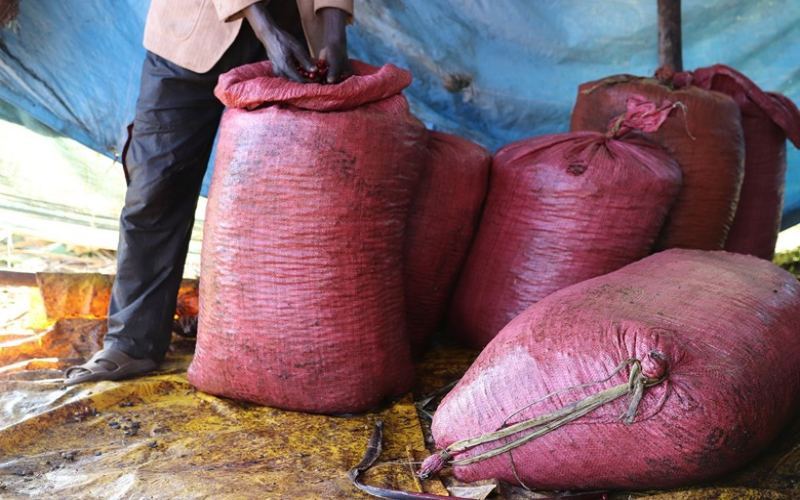
How Coffee Cherries Are Harvested: Hand-Picking, Floatation, and Defective Beans
The refinement of specialty coffee often begins the moment it is harvested. In the same coffee field, the difference in final flavor between careful harvesting and careless harvesting may be even greater than that of roasting. How are coffee cherries picked one by one? Why must defective beans be removed? This article takes you into the scene of harvesting and grading. Handmade [more…]
How much does harvest freshness vary? The difference in floral and fruity aromas is huge.
Coffee beans, like fruit, are seasonal. Beans from the same mountain—fresh new crop just after harvest versus old beans that have sat for most of a year—can differ by a noticeable margin in the intensity of their floral and fruity aromas. When buying beans in the floral-fruity direction, besides checking the roast date, harvest season information is equally worth noting. Floral-fruity notes are among the faster-fading types of flavor, and freshness plays a [more…]
From Botanical Characteristics to Harvesting and Processing: Essential Knowledge and Coffee Bean Understanding for Coffee Beginners
For those who are new to coffee, understanding its essence, botanical characteristics, growing conditions, and harvesting process is the first step toward building systematic knowledge. This article will unfold around the basic concepts of coffee, sorting through key points one by one—from the morphology of the coffee tree, variety classification, and suitable growing environment, to the harvest periods and green bean processing methods of major global producing regions. The article also covers related product information recommended by Front Street Coffee, as well as the specific practices of Macado specialty beans in quality control. Whether you are a coffee enthusiast or a barista just starting out, this content can help you more clearly understand the full story behind a cup of coffee. [more…]
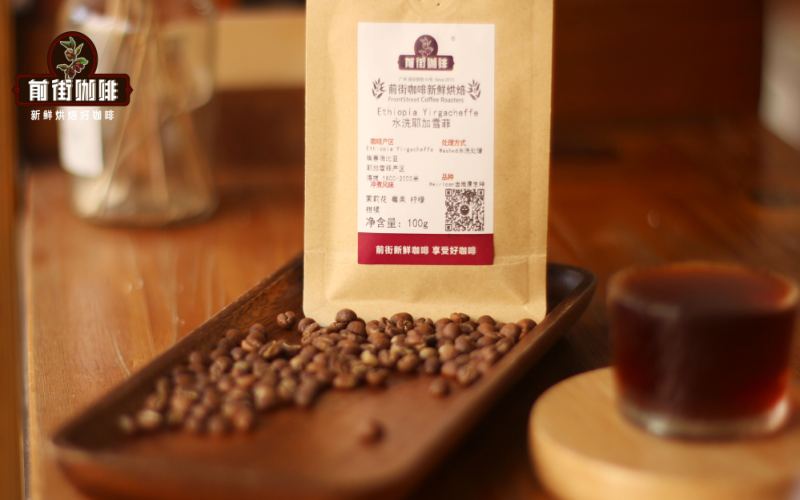
Yirgacheffe Coffee Region | Why Are Most Ethiopian Coffee Beans Washed? Recommended Newbie-Friendly Light Roast Pour-Over Coffee Beans
High-value Yirgacheffe recommendation. Front Street Coffee washed Yirgacheffe coffee beans. Region: Ethiopia Yirgacheffe. Altitude: 2300 meters. Variety: heirloom. Processing method: washed. Flavor notes: lemon, citrus, tea-like, honey, berry. Recommended because: classic Yirgacheffe flavor, affordable price, can be brewed [more…]
Ethiopia Sidamo Hambela Huakui 4.0: Dega Variety Natural-Process Coffee Bean Flavor and Pour-Over Analysis
In 2017, a naturally processed coffee from the Buku processing station in Ethiopia won the TOH competition and was named "Huakui" by a Chinese green bean trader, thus beginning the legendary journey of this coffee. Four years later, Huakui 4.0 was released with the entirely new Dega variety, with the production area expanded several times over, more scientific cultivation and management, and even better flavor performance. This article will take you through the origin background of Huakui 4.0, the characteristics of the Dega variety, the natural processing method, and Front Street Coffee's roasting and pour-over recommendations, offering a comprehensive analysis of this highly anticipated Ethiopian coffee. [more…]
Honduras Coffee Beans | What Coffee Regions Are There in Honduras? What Flavor Characteristics Do Honduran Coffees Have?
Honduran coffee beans were not initially favored by the general public. While the coffees of neighboring Guatemala and El Salvador were making a name for themselves, Honduran coffee farmers were still struggling to survive. Honduras is located in northern Central America, bordered by the Caribbean Sea to the north and the Gulf of Fonseca on the Pacific Ocean to the south, and shares its eastern and southern borders with Nicaragua and [more…]
Yunnan coffee bean purchase prices climb to 35 yuan per kilogram, ushering in a critical window for industry recovery
In the past two to three years, affected by the pandemic, the logistics and inventory of imported coffee beans encountered obstacles, while the price of Yunnan's local coffee beans gained upward support as a result, injecting a rare boon into local coffee enterprises. Looking back ten years, Yunnan coffee bean prices were depressed for a long time, and growers' confidence was shaken. Today, the purchase price of 35 yuan/kg has broken through historical levels. Hu Lu, deputy secretary-general of the Yunnan Coffee Industry Association, pointed out that this price is undoubtedly a shot in the arm for the Yunnan coffee industry, which is in a winter period. If this price level can be stably maintained for three to five years, the whole province is expected to set off a new round of planting enthusiasm. At the same time, the market expects this round of increases to continue until June or July, when Brazil and Colombia enter their harvest seasons, and changes in output may trigger a new round of fluctuations. Front Street Coffee reminds enthusiasts to pay attention to developments in producing areas and to grasp the dual changes in flavor and price. [more…]
The Changing Landscape of Yunnan Small-Bean Coffee: Arabica Cultivation Status, Flavor Characteristics, and Future Trends
Yunnan's coffee planting area has climbed from over 300,000 mu in 2008 to more than 1.4 million mu today, with output once accounting for over 99% of the national total. Yet the expansion of the industry's scale has not been smooth sailing. Since 2012, international coffee futures prices have continued to decline, leaving Yunnan coffee farmers struggling at the edge of the cost line; the 2014 harvest season was hit by a triple blow of drought, cold damage, and the abandonment of harvesting, causing output to plummet from an expected 100,000 tons to less than 60,000 tons, while purchase prices, driven by factors such as drought in Brazil, saw their largest single-month increase in 20 years. Lincang, as an emerging main producing area, rose rapidly, and companies such as Lingfeng Coffee began implementing quality traceability systems. This article will review the cultivation situation, flavor characteristics, and future development trends of Yunnan Arabica coffee beans. [more…]
Dark Moon Estate: Hunter Tedman and the Expression of Traditional Varieties
In June 2025, the 29th Best of Panama (BOP) awards were held in Boquete. In the Traditional Varieties category, Hacienda La Esmeralda took first place with a Laurina lot from its El Velo division, followed closely by a new face—Dark Moon Estate (Bl [more…]
Ethiopian Coffee Beans | How Many Coffee Regions Are There in Ethiopia? Which Washing Stations and Cooperatives Produce Ethiopian Specialty Coffee?
As the birthplace of coffee, Ethiopia has always been a pilgrimage site for many coffee professionals. Many friends who come to Front Street Coffee ask as soon as they walk in whether we have Ethiopian beans, whether we have Yirgacheffe beans. Yes, whether for coffee beginners or coffee connoisseurs, Ethiopian coffee beans have that bright [more…]

African Coffee | What Are the Differences Between Ethiopian and Kenyan Coffee Varieties? An Introduction to the Processing Methods, Flavor, and Taste Characteristics of Ethiopian and Kenyan Coffee
Ethiopia and Kenya, Africa's renowned coffee-producing countries, are highly celebrated in the specialty coffee world. The coffee flavors from both regions are predominantly fruit-acid oriented, but the difference lies in that Ethiopian coffee features a bright, uplifting acidity with a clean and refreshing mouthfeel, while Kenyan coffee exhibits berry fruit [more…]
Arabica, Robusta, and Liberica: A Comprehensive Analysis of the Characteristics and Cultivation Grading of the Three Major Native Coffee Species
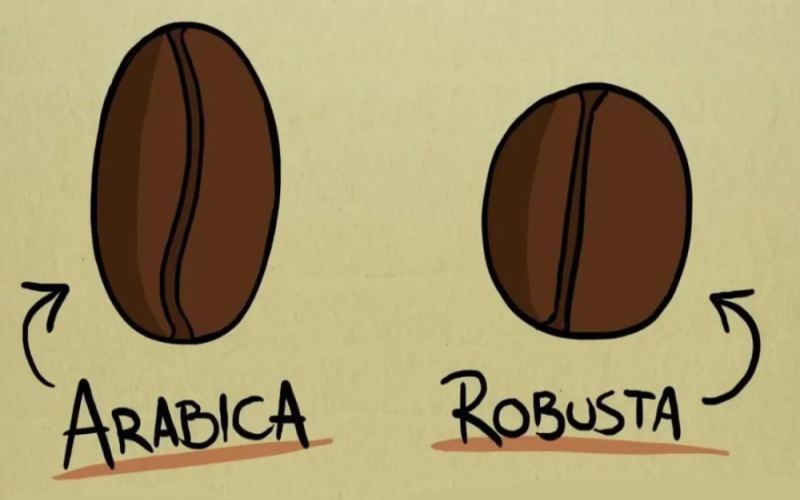
There are about 40 species in the Coffea genus, but only three native species—Arabica, Robusta, and Liberica—have real commercial value. They differ markedly in appearance, flavor, disease resistance, suitable altitude, and cultivation conditions: Arabica is elegant yet delicate, Robusta is hardy and intense, while Liberica is limited to localized trade in West Africa. Starting from botanical characteristics, this article systematically sorts out the origin distribution, climate and soil requirements, the complete cultivation process from sowing to harvesting, and the grading systems that producing countries have formed based on altitude, screen size, and defect bean ratios. Whether you are new to specialty coffee or want to understand the logic of origins more deeply, this foundational knowledge will help you more clearly judge the variety and terroir code behind the flavor in your cup. Front Street Coffee will also combine the key points in this article to recommend directions for your everyday purchases. [more…]

What are coffee green bean processing methods? What are the operational procedures for the natural, washed, and honey processing methods? What are the differences, characteristics, and flavor profiles of natural, washed, and honey processed coffee?
Coffee green beans are not simply picked from the tree and then roasted and brewed right away; achieving good flavor requires many steps. People often assume that coffee flavor depends on variety, growing environment, and cultivation methods, but what they don't realize is that there is an important stage between growing and roasting called "coffee bean processing." [more…]
Coffee Basics | How Many Coffee Bean Varieties Does Arabica Coffee Have? Beginner-Friendly, Pour-Over-Approved Specialty Arabica Coffee Beans Tested and Recommended!
Although there are a great many varieties of coffee beans, when coffee beans on the market are classified by species, they can be divided into three types: Arabica, Robusta, and the relatively rare Liberica. If the numerous coffee beans are further classified by region, [more…]
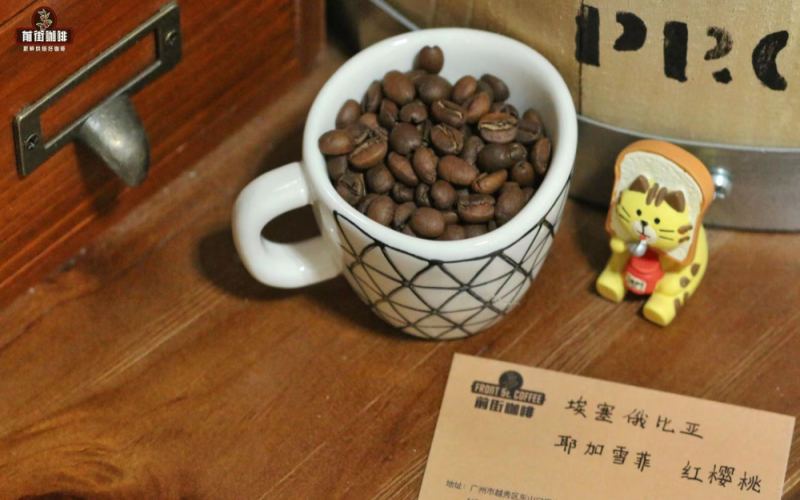
African Coffee Flavor Analysis | Both Are Yirgacheffe, What's the Difference Between Washed Gutingding vs. Natural Red Cherry? Must-Buy Floral and Fruity Coffee Bean Recommendations for Pour-Over Beginners
For more specialty coffee knowledge, please follow our WeChat official account: Front Street Coffee (FrontStreet Coffee). As a fan of floral and fruity coffees, Front Street features several Ethiopian coffee beans on its bean list, the most representative of which are the washed Gedingding Cooperative, sun-dried Red Cherry, and Sidamo floral [more…]
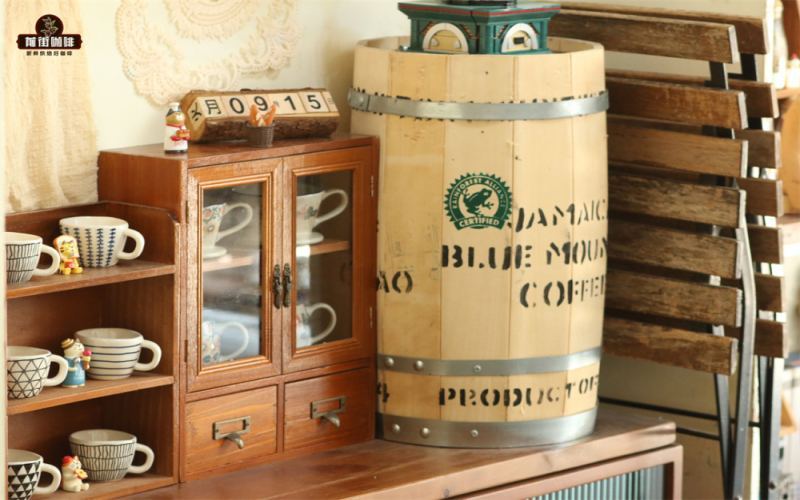
Complete Guide to Arabica Coffee: Origins, Variety Characteristics, and Processing Method Flavor Guide
Coffee belongs to the Rubiaceae family, with over a hundred known species, but commercial cultivation is dominated by three major types: Arabica, Robusta, and Liberica. Among them, Arabica, with its outstanding aroma and flavor, accounts for over seventy percent of global production and is the core raw material for single-origin and specialty coffee. This article will systematically review the varietal characteristics, advantages and disadvantages, and sub-varieties of Arabica, and introduce one by one the cultivated varieties, processing methods, grading standards, and flavor profiles of representative producing countries such as Brazil, Colombia, Panama, Guatemala, Costa Rica, Jamaica, Ethiopia, Kenya, and Indonesia. It will also incorporate Front Street Coffee's sourcing experience and recommendations to help coffee enthusiasts build a complete framework for understanding origins. [more…]

Hacienda La Esmeralda Geisha Coffee Bean Grades | What is the difference between Panama La Esmeralda Geisha Red Label and Green Label? Why is Esmeralda Geisha coffee so expensive?
If Geisha is likened to a thousand-mile horse, then Hacienda La Esmeralda is undoubtedly the Bo Le who recognized its worth. It was Hacienda La Esmeralda that discovered Geisha's potential and introduced its exquisite flavor to the world at the 2004 BOP, which is why Geisha has become the top variety in today's specialty coffee scene. It can be said that without [more…]
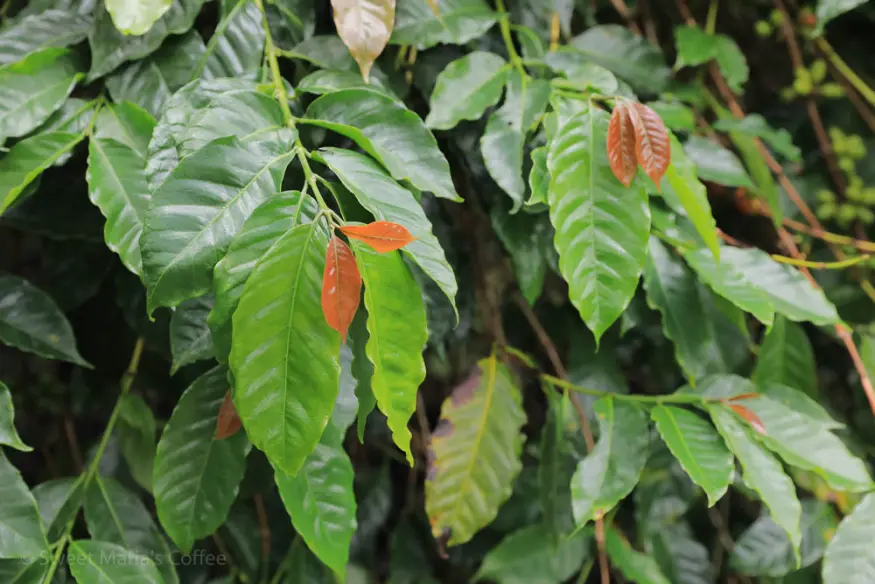
Dark Roast Coffee Bean Recommendations | Where Are the Three Major Coffee Regions of Indonesia? What Makes Sumatran Coffee Special? Is Mandheling a Coffee Variety?
For more specialty coffee knowledge, please follow: Front Street Coffee (Frontsteet Coffee). Anyone who loves drinking coffee has surely tried Indonesian coffee. The best growing regions across the entire Indonesian archipelago are on Java, Sumatra, and Sulawesi. [more…]
From Color, Aroma, and Taste to Personal Preference: A Comprehensive Guide to Coffee Quality Appreciation and Flavor Selection
The color, aroma, and taste of coffee originate from a series of complex chemical reactions during the roasting process. Only when the essential components of green beans reach a balanced state can a good cup of coffee be achieved. This article will analyze the constituent elements of coffee quality from four dimensions: aroma, bitterness, acidity, body, and sweetness, and share how to savor coffee through temperature, portion size, and concentration. Finally, we will also explore coffee bean choices for different taste preferences, including moderate, intense, mild, and minimalist, helping you find the cup that suits you best among brands like Front Street Coffee. [more…]

Panama Hacienda La Esmeralda | Is Diamond Mountain coffee a Geisha variety? What grade are Diamond Mountain coffee beans? How does sun-dried Diamond Mountain coffee taste?
Panama - La Esmeralda Diamond Mountain. Introduction to coffee cultivation at La Esmeralda Estate. La Esmeralda Estate is located on the outskirts of Boquete in southwestern Panama. When it was first established, it was a diversified farm, with coffee only [more…]